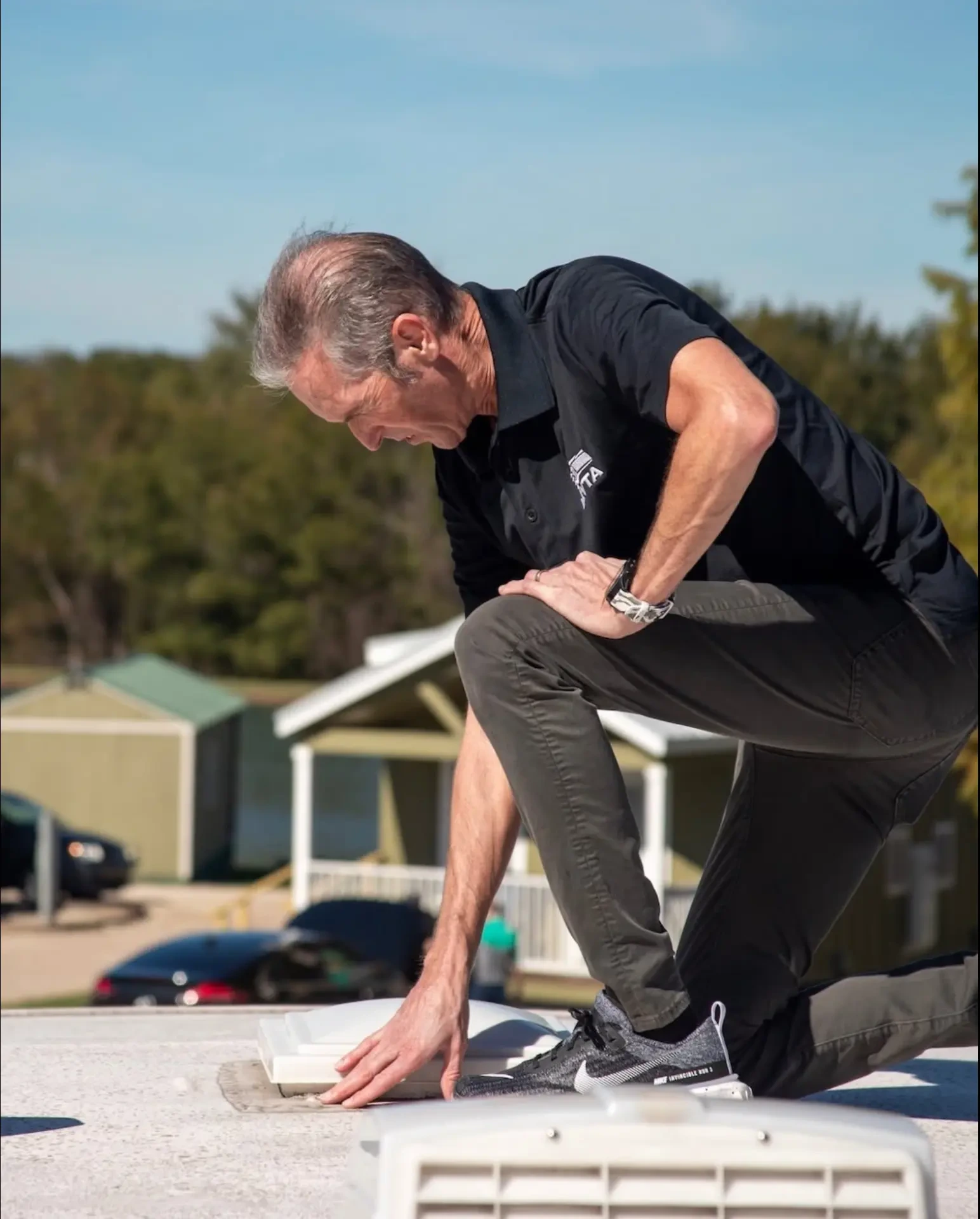

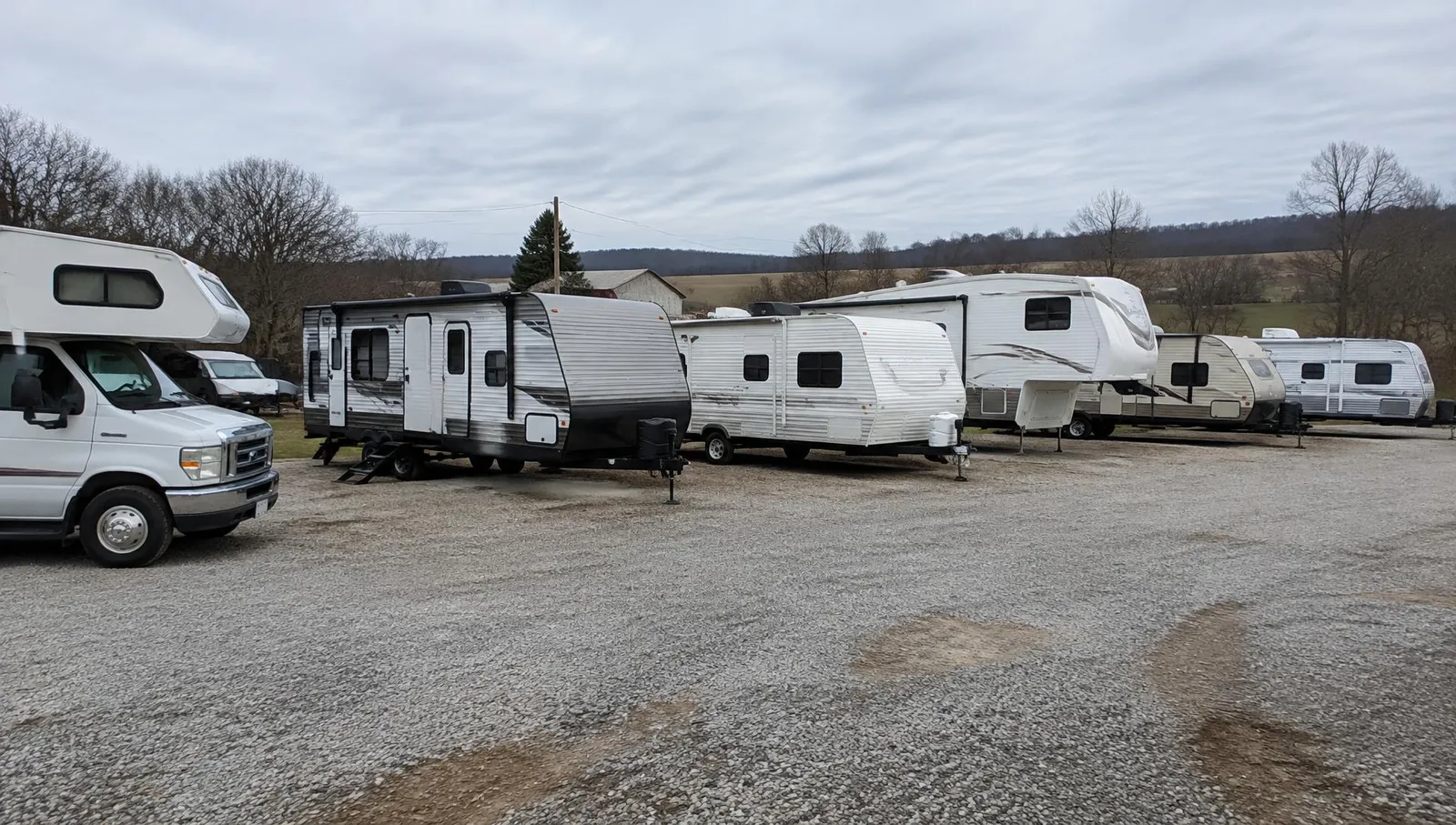
Every fall, when the fields around Atwater are cut and the nights get cold, mice start looking for a warm, quiet place to spend the winter. A camper parked in a yard, a barn or a field is exactly what they want. And by spring, a few mice can do real damage: chewed wires, shredded insulation, nests in the furnace and droppings everywhere.
The good news: most of it can be prevented before you close the door for the season.
Why mice are such a problem in campers
Mice are not just a cleaning job. They chew to keep their teeth worn down, and wiring insulation is a favorite. Chewed 12V wires can mean lights and appliances that don't work, and damaged wiring is a safety risk. They also nest in insulation, ductwork and furnace compartments, and they can chew through seals and underbelly material, opening the door for water and more pests later.
How mice get in
A mouse can squeeze through a gap about the size of a dime. In a camper, the usual entry points are:
- Holes where plumbing, wiring and propane lines pass through the floor
- Gaps around the water heater and furnace access panels
- Slide-out seals and the space under the slide
- Torn underbelly material
- Storage bay doors that don't seal tight
- The power cord hatch and outside vents
Seal the way in
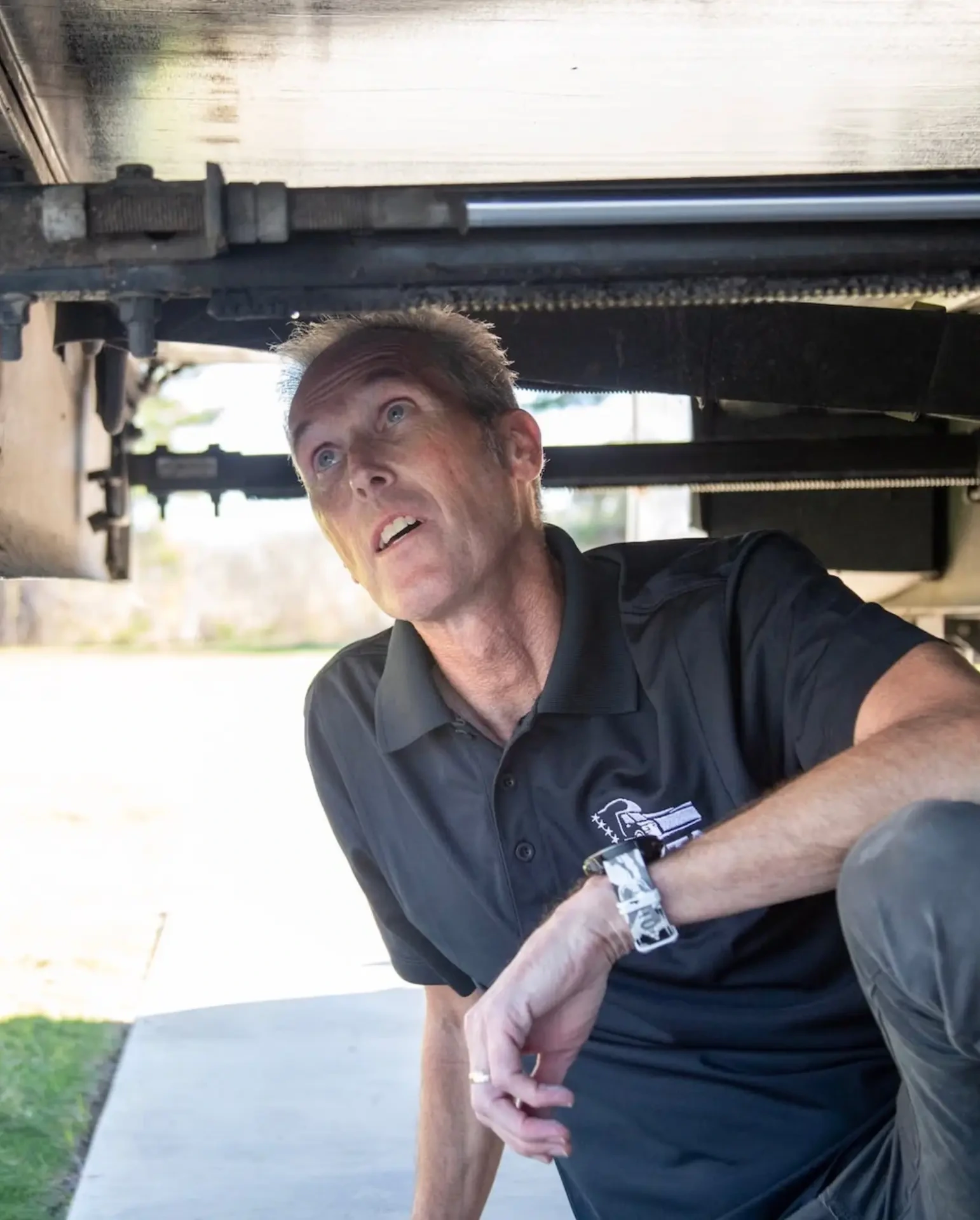
- 1Get under the camper with a flashlight. Look at every place a pipe, wire or line goes through the floor. Any gap you see is a door.
- 2Stuff the gaps with steel wool or copper mesh (mice don't like chewing through it), then seal over it with a sealant or expanding foam rated for the job.
- 3Check the slide-outs. Make sure the seals are in good shape and close tight with the slides in.
- 4Look inside the compartments. From inside the storage bays and around the water heater and furnace, look for light coming through when someone shines a flashlight from outside.
- 5Fix the underbelly. Patch tears in the underbelly material.
Take away the reasons to stay
- Remove all food, including sealed boxes, pet food, bird seed and anything in the fridge.
- Clean up crumbs, especially under the dinette cushions and in the cabinets.
- Take out paper towels, napkins and soft fabrics mice like for nests, or store them in sealed plastic bins.
- Prop the fridge door open (after it's clean and dry) so it doesn't mold.
Where you park matters
Mice come from the edges of fields, woodpiles, hay and brush. If you can, park on gravel or pavement away from tall grass and feed storage. Keep the area around the camper mowed and clear.
What about repellents?
There are lots of products and home remedies: dryer sheets, peppermint oil, ultrasonic devices. Results are mixed, and none of them replace sealing the entry points. Traps set inside the camper and checked during the winter help you know if anything got in.
One more layer of protection we offer is a rodent-repellent undercoating: a coating applied to the underside of the camper that helps discourage mice from moving in. It works best combined with sealing the gaps. You can read more on our reseal and rodent undercoating page.
Check in during the winter
Visit the camper once a month if you can. Look for droppings, chewed material or nesting, check your traps, and make sure nothing has opened up. Catching one mouse in December is a lot better than finding a family in April.
If they already got in
Clean up droppings carefully: ventilate first, wear gloves, and use a disinfectant spray instead of sweeping or vacuuming dry droppings, which can stir up dust. Then check wiring, especially behind panels and near the furnace and water heater. If lights, the furnace or other systems act up in the spring, chewed wiring is a common reason. Our electrical repair service can trace and fix it.